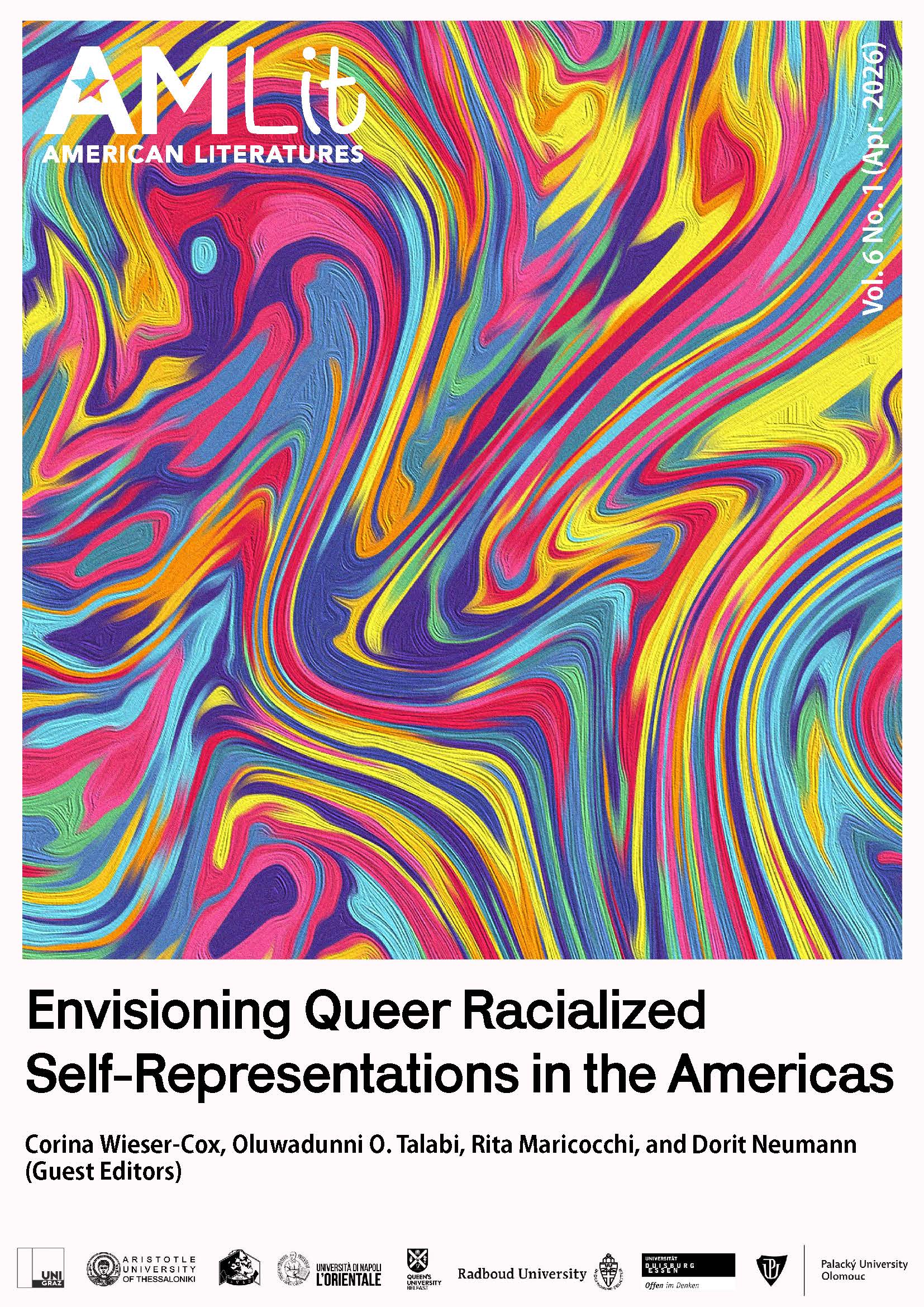
This special issue of AmLit explores how queer Black, Indigenous, and other racialized writers and artists represent the embodied reality of queer racialized existence in the Americas. The following questions arise in our engagement with the nexus of queer racialized self-representations in the Americas: How are queer bodies dehumanized through both racialization and heteropatriarchy? Why are modes of self-representation important within the context of queer liberation/personhood in the Americas? What role does literature, an overarching structure of representation, play in the writing of queer and trans bodies in the context of settler-colonialism? How might literature serve as a catalyst for moving beyond a politics of visibility and representation toward modes of engagement grounded in revolution and liberation? This special issue of AmLit seeks to answer these questions. It is the second installment of publications that arose out of the 2023 Postgraduate Conference of the Association for Anglophone and Postcolonial Studies titled, “Queering Postcolonial Worlds.” With an interest in how marginalized writers respond to the ongoing legacies of settler-colonialism in the Americas, this issue centers critical readings of minority literatures that subvert and disrupt dominant subjectivities. The articles cover a wide range of topics that primarily center the self-representations of racialized peoples: in this case, these are Chicanx, Black American, Vietnamese, and Cuban texts that center queer life, desire, love, and intimacy. This shift within the second volume thus highlights the settler colonial aspect of the Americas that continues to haunt and dominate both Indigenous and Black lives within the western hemisphere.